




























The sudden rush of heat through your nose with a bite of sushi, the warmth that spreads through your body with a sip of miso soup, and the rich aroma of green tea are among the flavors through which many people around the world encounter Japanese food. Yet each flavor is also shaped by where it comes from and how it is cultivated, fermented, or prepared.
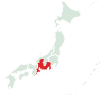
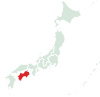
To look beyond these flavors, we travel to three regions where food and place are closely intertwined: the clear mountain waters of Izu, Shizuoka Prefecture; the historic miso breweries of Nagano Prefecture; and the tea-growing landscapes of Yame, Fukuoka Prefecture.
In This Article
- Shizuoka: Fresh Wasabi and the Mountain Water of Izu
- Nagano: Shinshu Miso and the Time of Fermentation
- Fukuoka: Discovering Yame Gyokuro One Infusion at a Time
- Japanese Flavors That Lead to Regional Journeys
Shizuoka: Fresh Wasabi and the Mountain Water of Izu
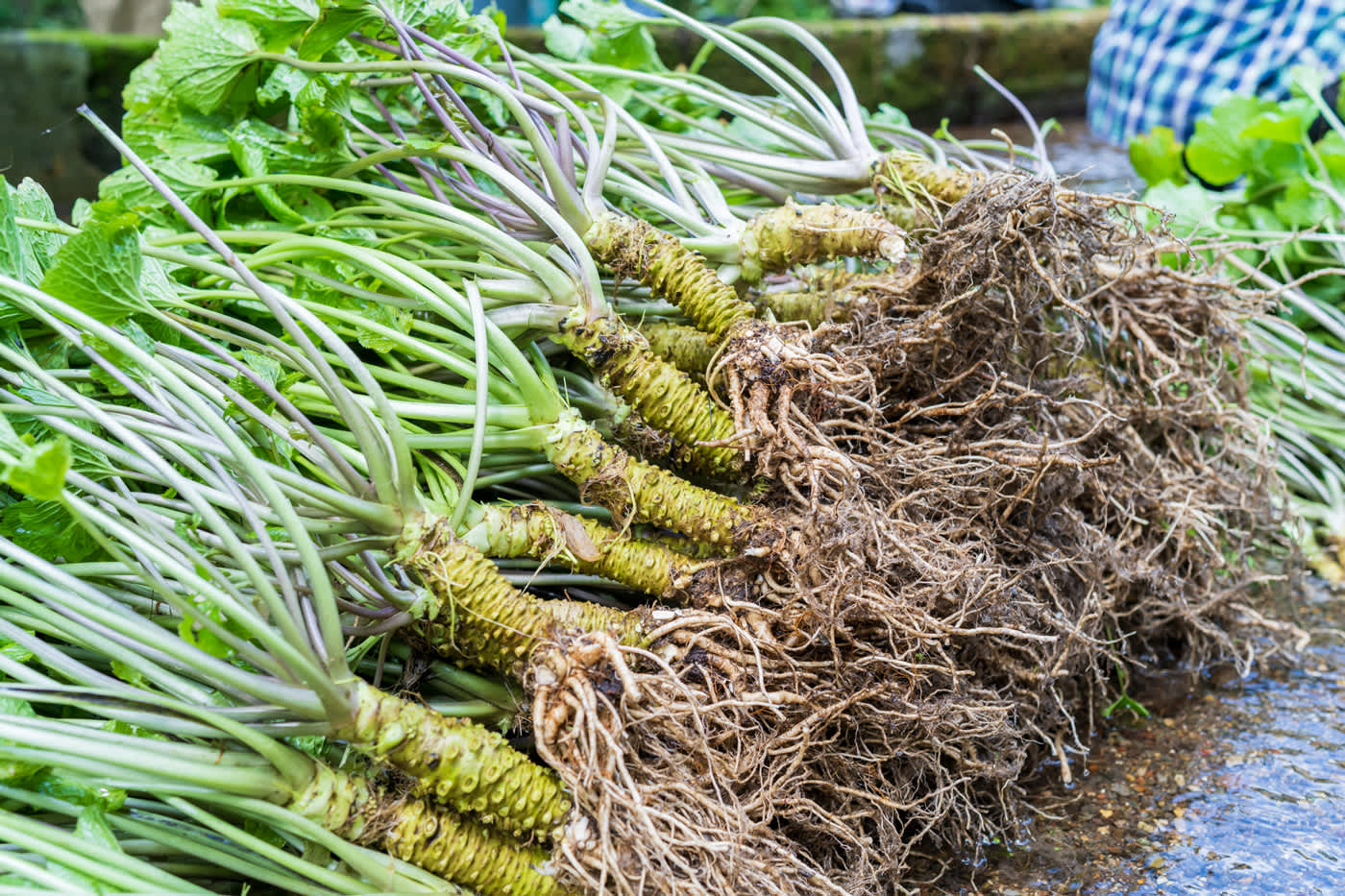
Photo Credit: Shuzenji Onsen Ryokan Cooperative Association
Many visitors may be surprised to learn that the green paste commonly served as wasabi outside Japan is often made primarily from horseradish, a different plant from hon-wasabi (Wasabia japonica). Freshly grated hon-wasabi offers pungency, aroma, and umami, but its flavor changes quickly, making freshness essential. That character begins with the conditions in which it is grown.

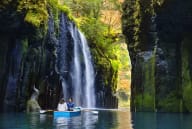
Izu in Shizuoka Prefecture is one of Japan’s principal wasabi-producing areas. In the traditional tatami-ishi cultivation system, wasabi grows in terraced beds of stone, sand, and gravel, fed continuously by cool mountain spring water. This method forms part of Traditional Wasabi Cultivation in Shizuoka, recognized by the Food and Agriculture Organization of the United Nations as a Globally Important Agricultural Heritage System.
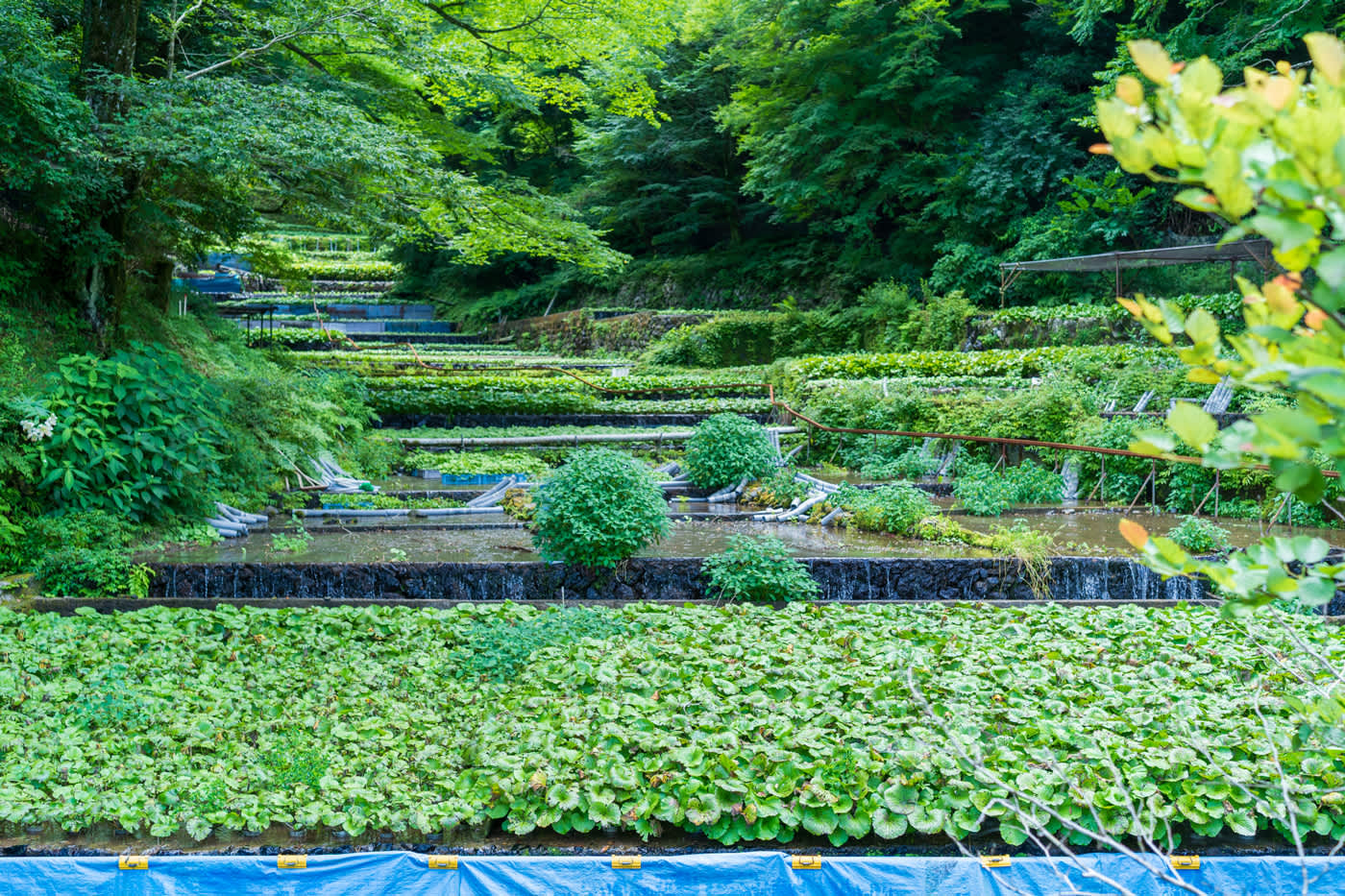
Photo Credit: Shuzenji Onsen Ryokan Cooperative Association
Growers regularly inspect the fields and waterways, paying close attention to fallen leaves that could interrupt the flow of water the plants depend on. The landscape reflects not only Izu's natural environment but also the work required to maintain the conditions in which wasabi can thrive.
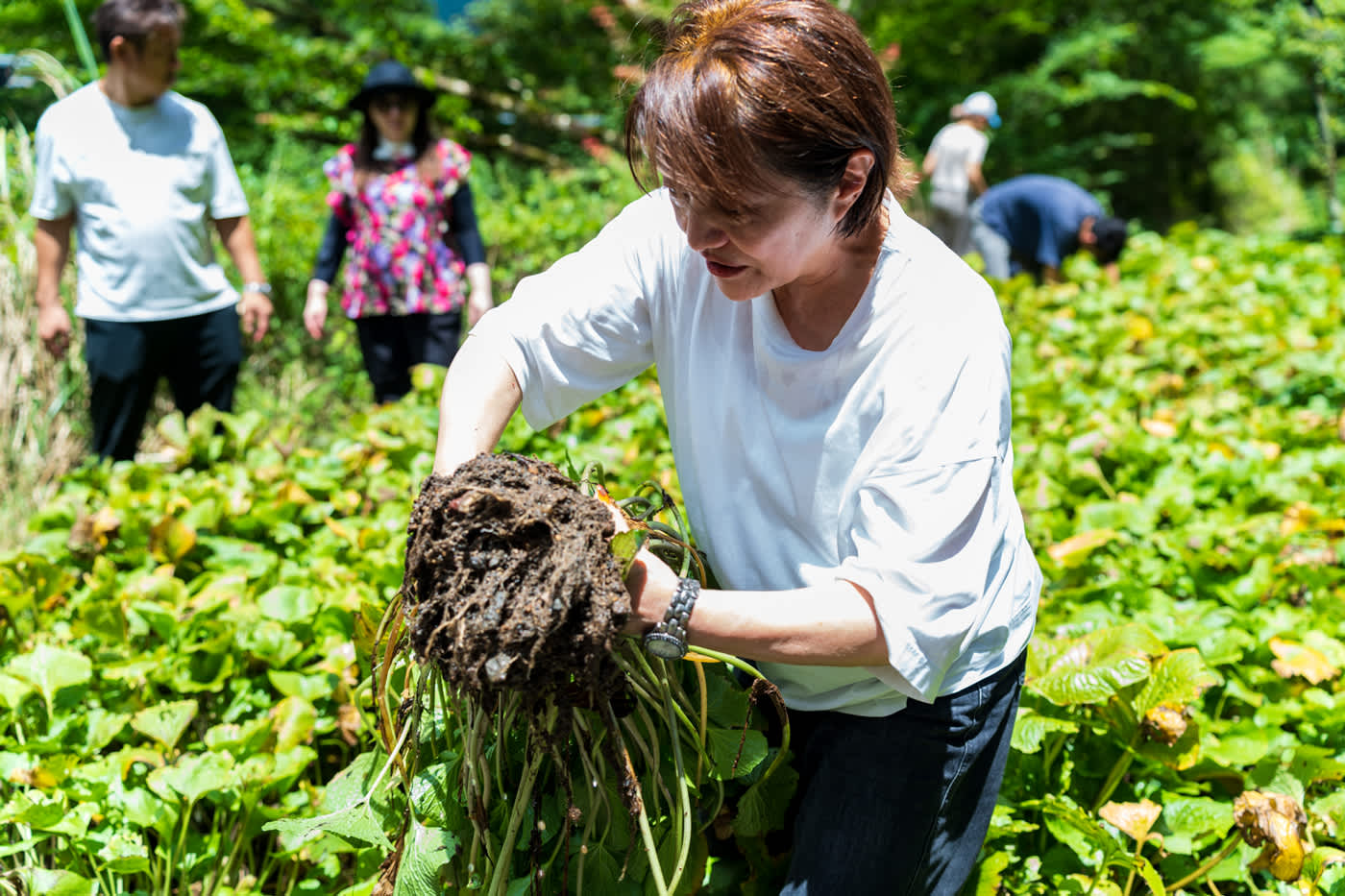
Photo Credit: Shuzenji Onsen Ryokan Cooperative Association
At some farms in Izu, visitors can harvest, clean, and grate wasabi under the guidance of growers before tasting it freshly prepared. Experiencing the process from field to taste reveals why freshness matters so much to its aroma and flavor. Tasting wasabi where it is grown reveals how its character depends on its environment, careful cultivation, and freshness.
Nagano: Shinshu Miso and the Time of Fermentation
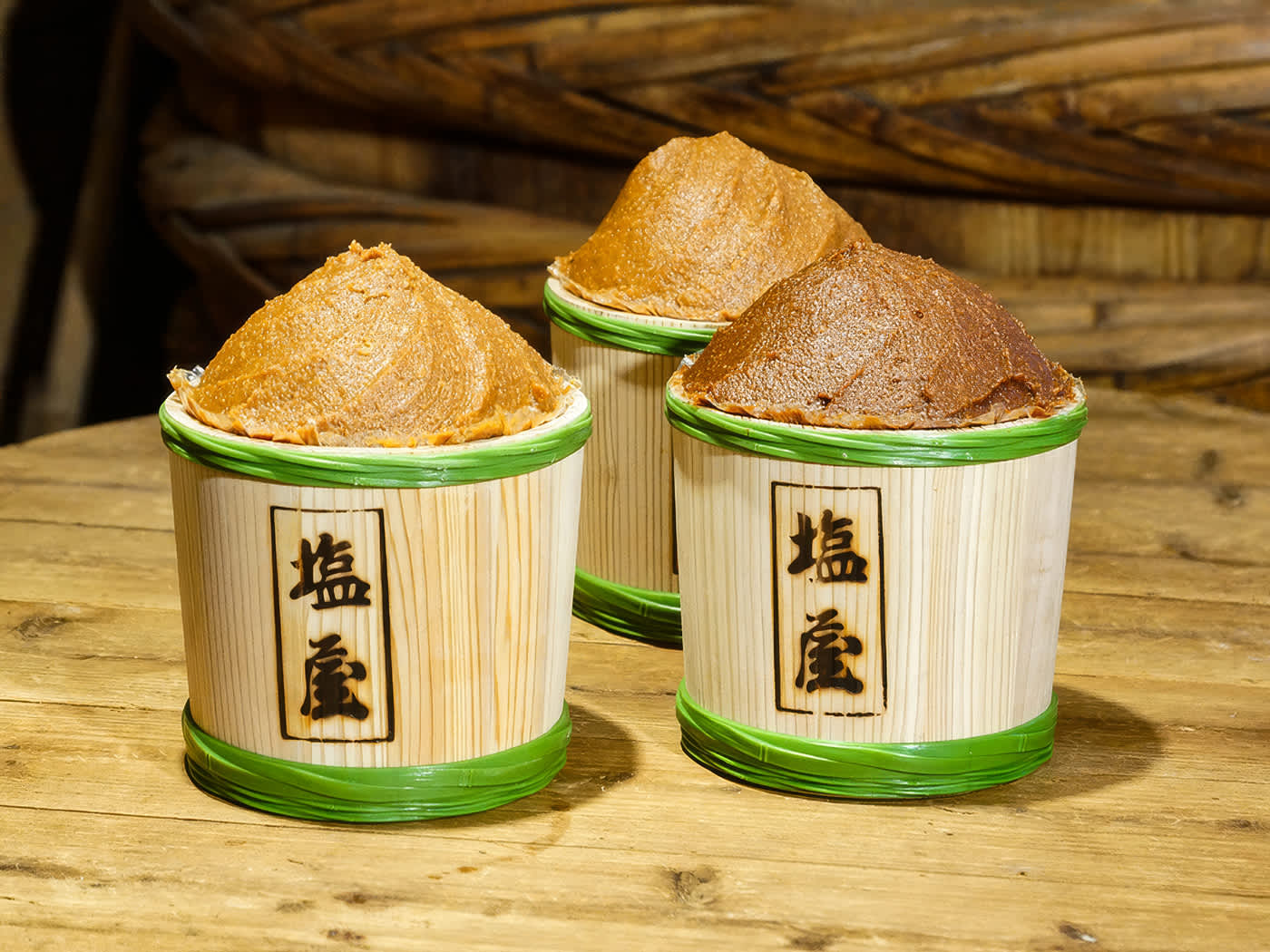
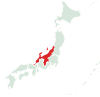
Nagano, historically known as Shinshu, is a mountainous region shaped by cold winters, where preserving and fermenting food developed as practical ways to make ingredients last through the season. This tradition evolved into a rich fermentation culture, with miso becoming closely woven into everyday life.
In the past, families commonly made miso at home, making fermentation a familiar part of everyday life. Today, Shinshu miso is one of Japan's most widely enjoyed varieties. Made primarily from soybeans, rice koji, and salt, it relies on koji to drive fermentation. Koji, produced by cultivating beneficial microorganisms on ingredients such as rice, is also fundamental to Japanese fermented foods and seasonings such as soy sauce and sake. Once the ingredients are combined, they are left to ferment and mature, gradually changing in color, aroma, and flavor. While wasabi is prized for its fleeting freshness, miso develops its character over time.
That passage of time becomes more tangible inside one of Nagano's traditional miso breweries. Some continue to operate in historic buildings, using wooden vats that have been part of the brewing process for generations. One place where this history remains visible is Shioya Jozo, a miso brewery in Suzaka headed by eleventh-generation owner Taro Uehara.
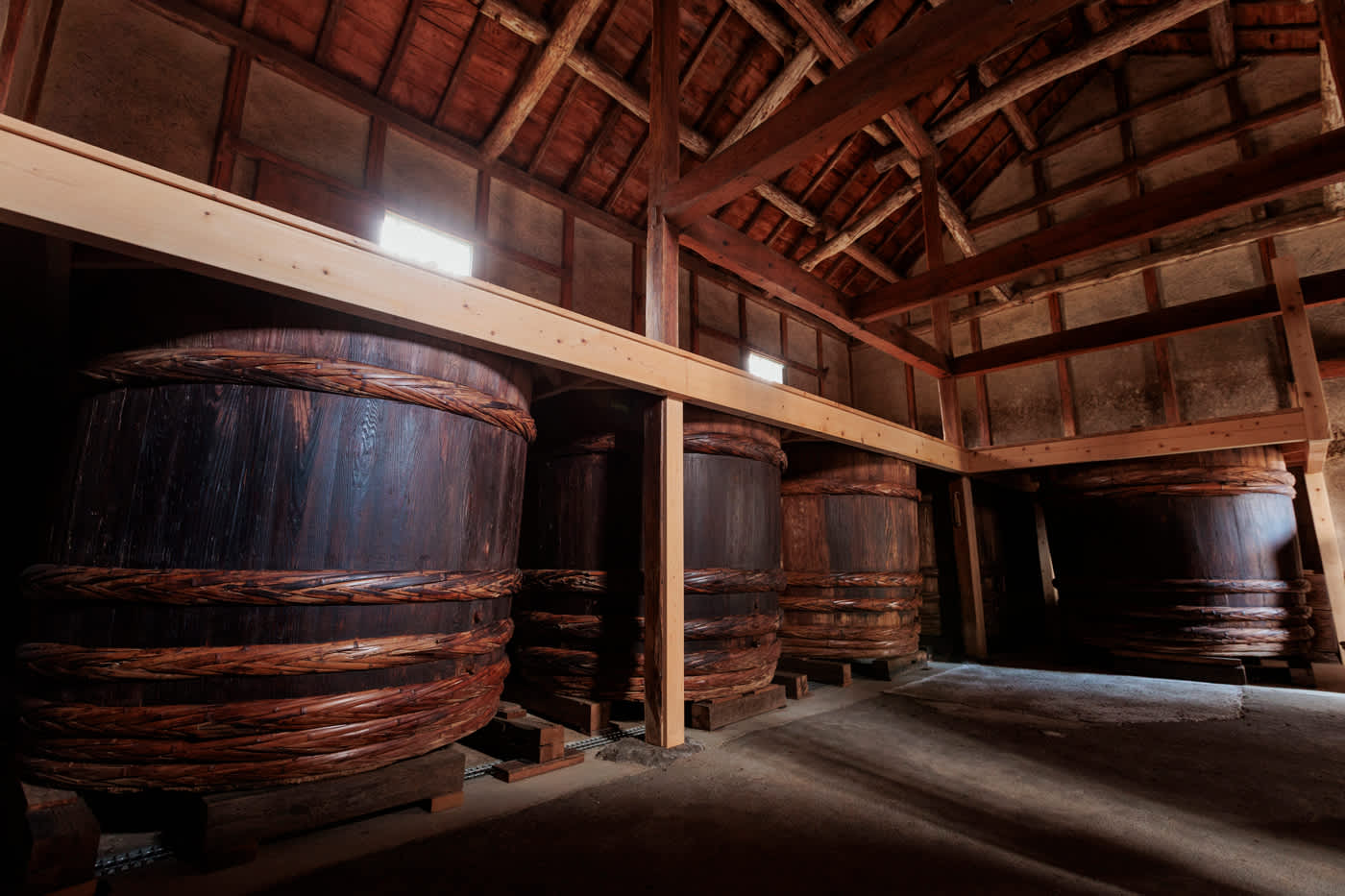
©JETRO/JFOODO
Founded in the eighteenth century as a salt wholesaler, Shioya Jozo later expanded into miso and soy sauce production. Ten of its storehouses, where miso is fermented and stored, are registered as Tangible Cultural Properties, and brewery tours are available by advance reservation. These storehouses are known in Japanese as a kura. Each kura has its own kuraguse—a distinctive flavor associated with the unique population of yeast inhabiting the building. The concept reflects how the fermentation environment of each kura can contribute to the individuality of its miso.
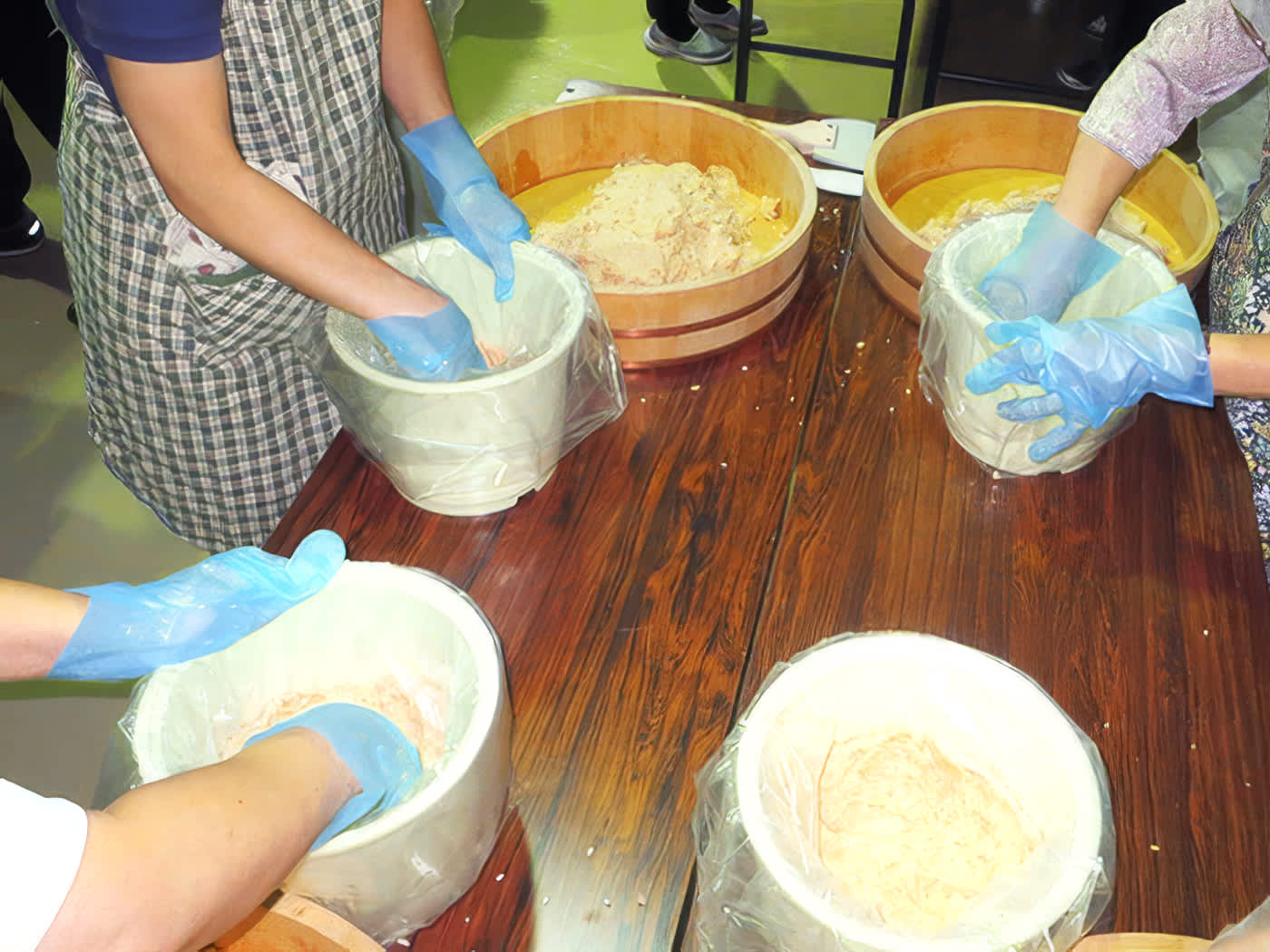
At Shioya Jozo, visitors can go beyond touring the kura and take part in the process themselves through a miso-making experience. They mash cooked soybeans, mix them with rice koji and salt, and pack the mixture into a container to take home. Then comes the hardest part: waiting. The miso is left to ferment for a year before it is finally ready to taste.
©JETRO/JFOODO
That year-long wait is part of what makes miso so different from the other flavors in this journey. Once the ingredients are combined, much of the transformation happens quietly, shaped by the conditions inside the brewery and the passage of time. In Nagano, this patient process is part of a fermentation culture passed down through generations.
Fukuoka: Discovering Yame Gyokuro One Infusion at a Time
©Fukuoka Prefecture Tourism Association
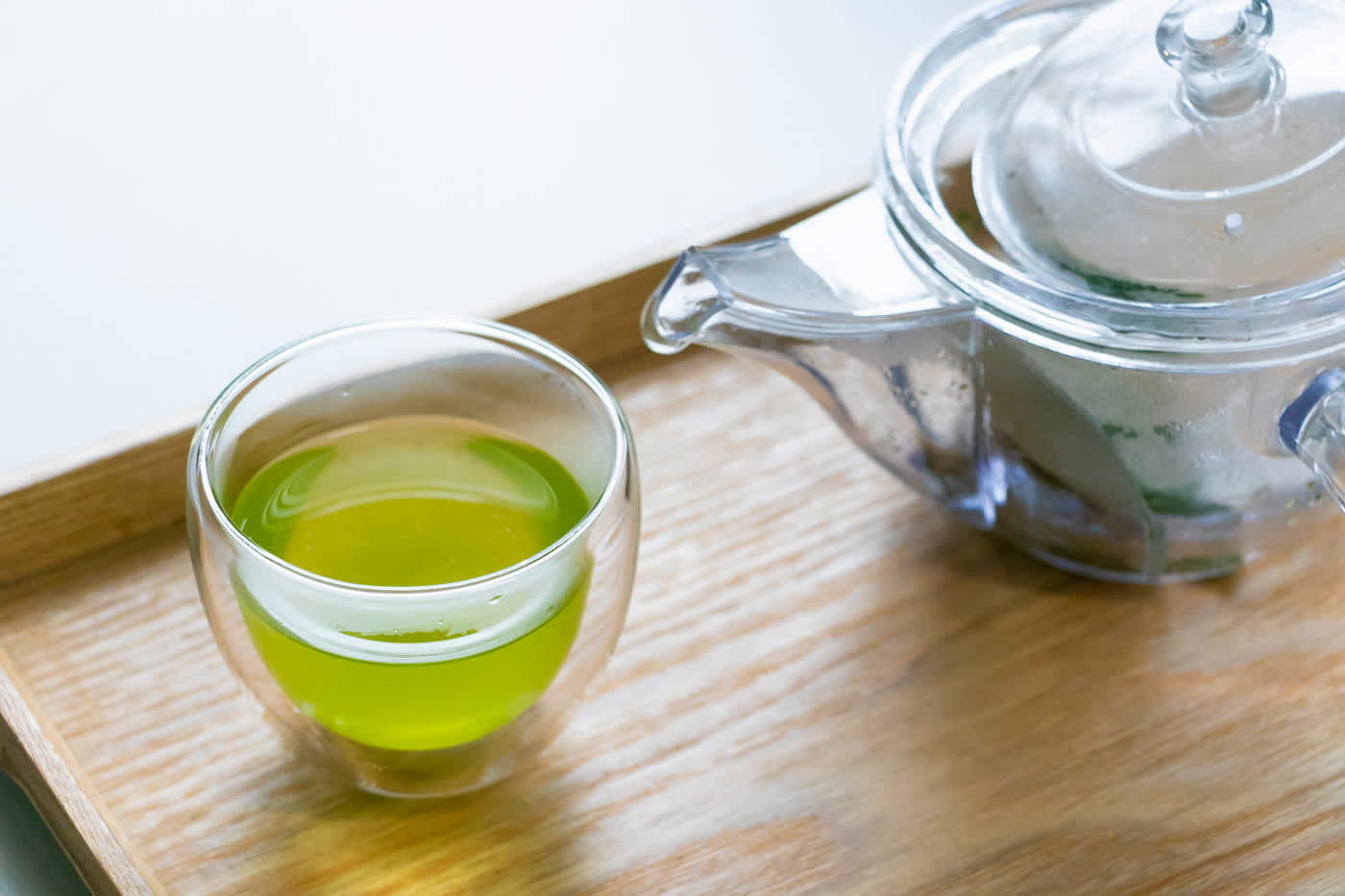
Matcha may be the best-known Japanese tea worldwide, familiar not only as a drink but also through flavored sweets and dessert-style beverages. However, the world of Japanese tea extends far beyond matcha. Among its most prized green teas is gyokuro, known for its rich umami and refined sweetness. Gyokuro is made from whole leaves that are steeped and removed before drinking. Traditionally enjoyed on its own or alongside food, it invites a slower, more attentive way of drinking tea.
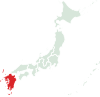
One place where this distinctive tea has a particularly strong tradition is Yame, in southern Fukuoka Prefecture, one of Japan's leading gyokuro-producing areas. Its mountainous tea-growing areas experience frequent morning fog and marked differences between daytime and nighttime temperatures, conditions long considered well suited to tea cultivation.
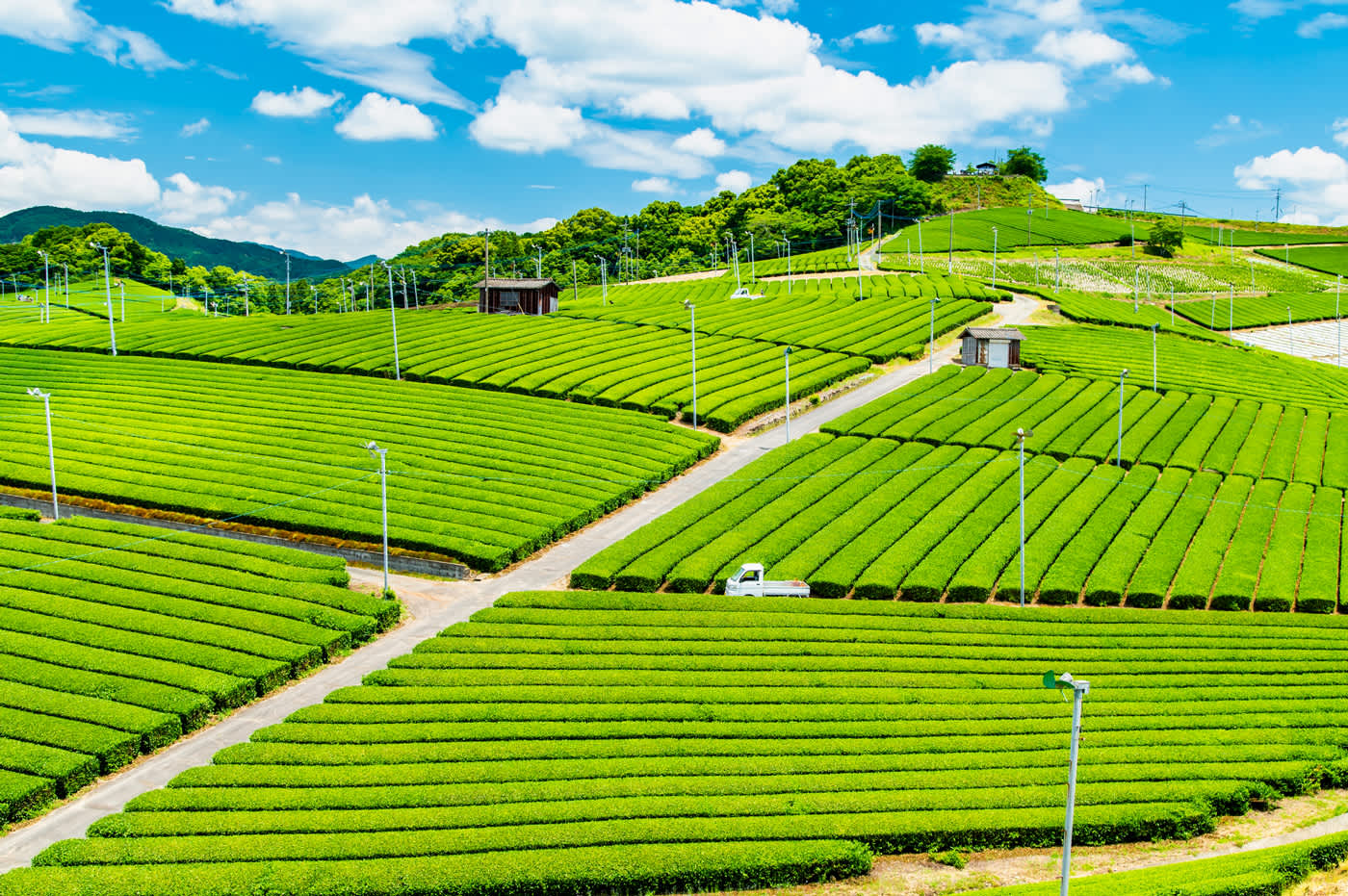
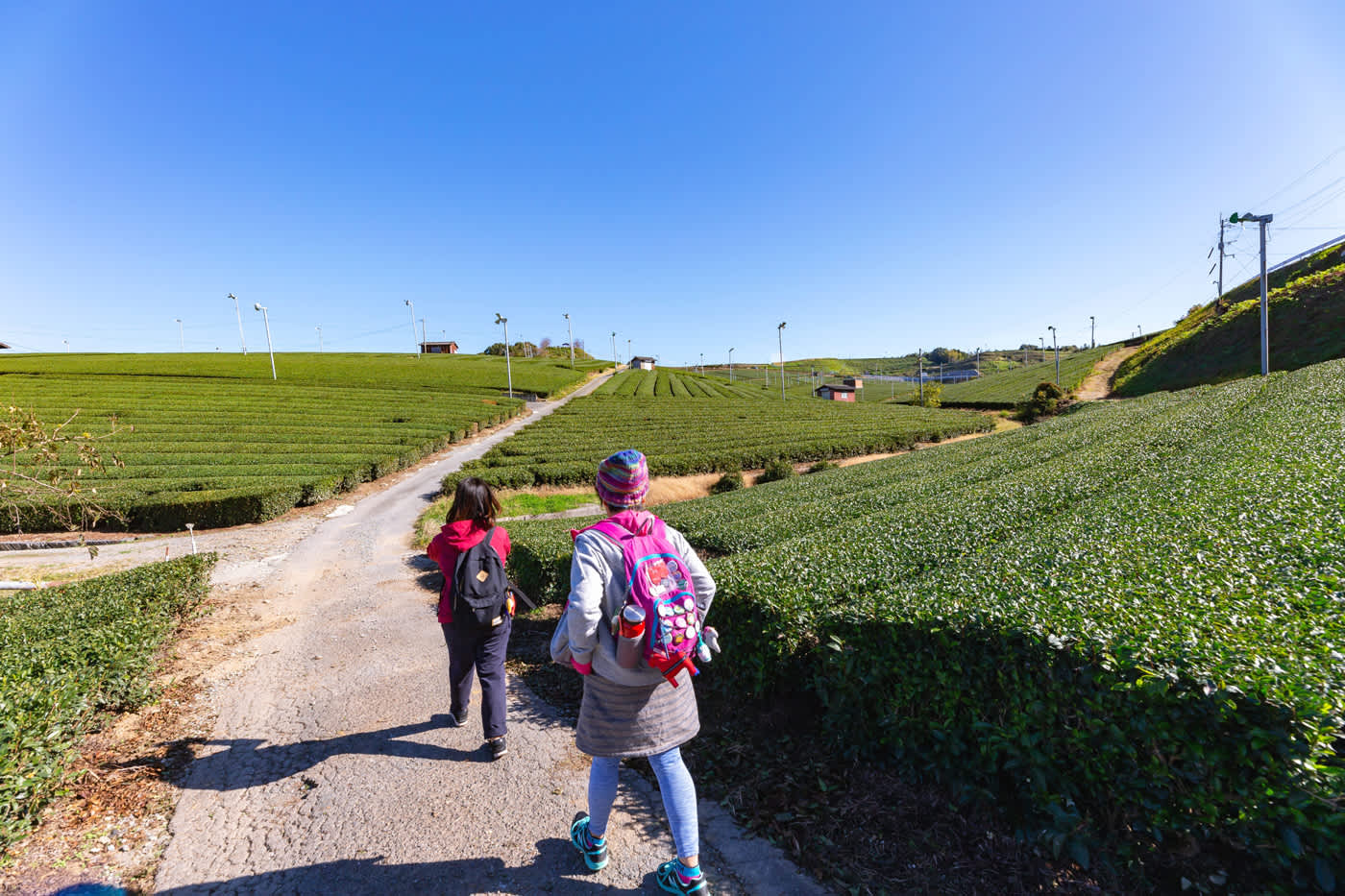
The region is particularly associated with Yame Dentou Hon Gyokuro (Traditional Authentic Yame Gyokuro), the only gyokuro registered under Japan's Geographical Indication (GI) Protection System, a certification that protects a product’s geographical origin and recognized qualities. Its leaves are hand-picked in Yame City and surrounding mountainous areas. While gyokuro is generally shaded before harvest to develop its characteristic aroma and rich, mellow taste, Traditional Authentic Yame Gyokuro uses natural materials such as rice straw rather than the synthetic materials commonly used. The plants themselves look different, too. Rather than being shaped into the rounded rows commonly seen in tea fields, they are allowed to grow in their natural form, helping nutrients reach each developing bud.
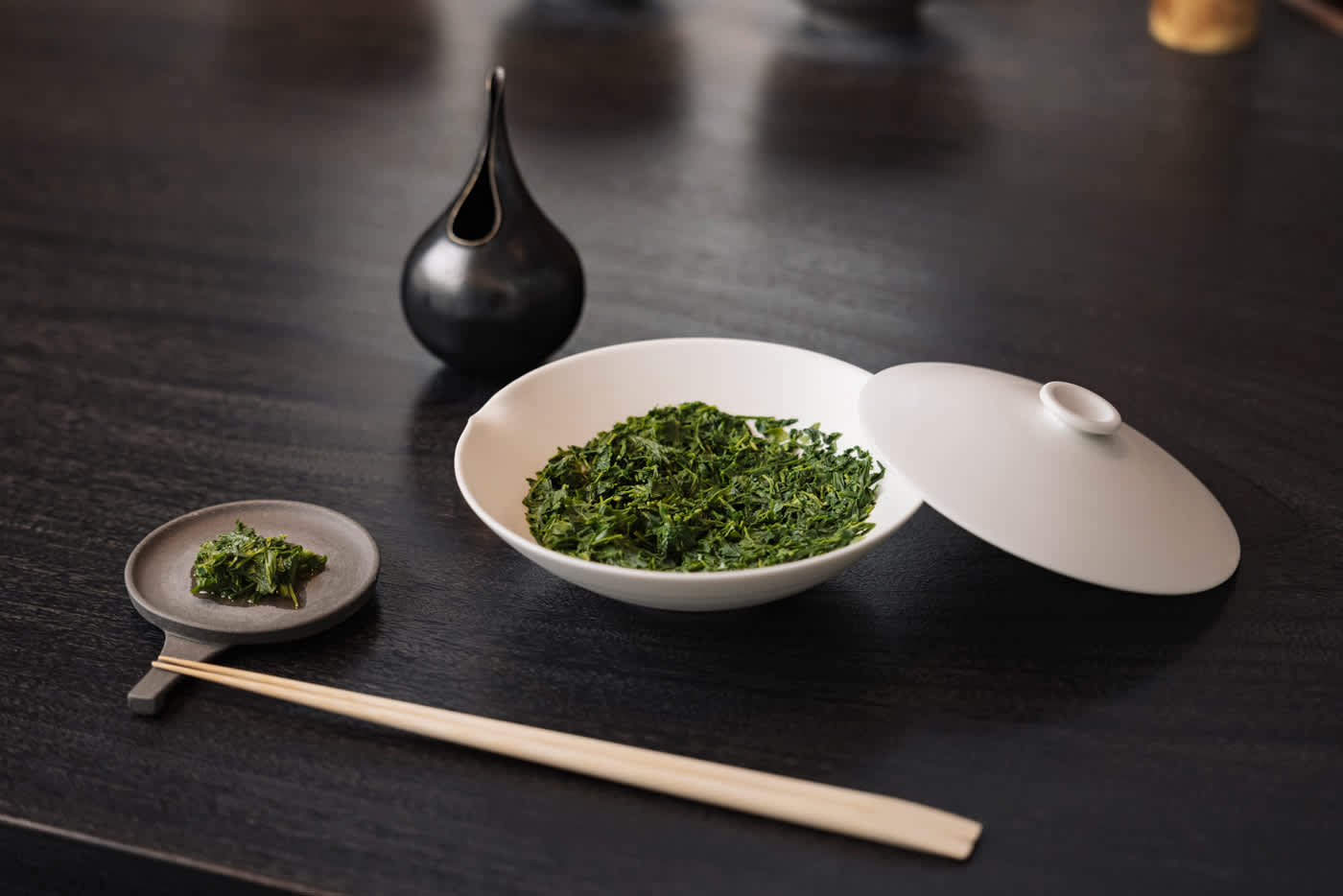
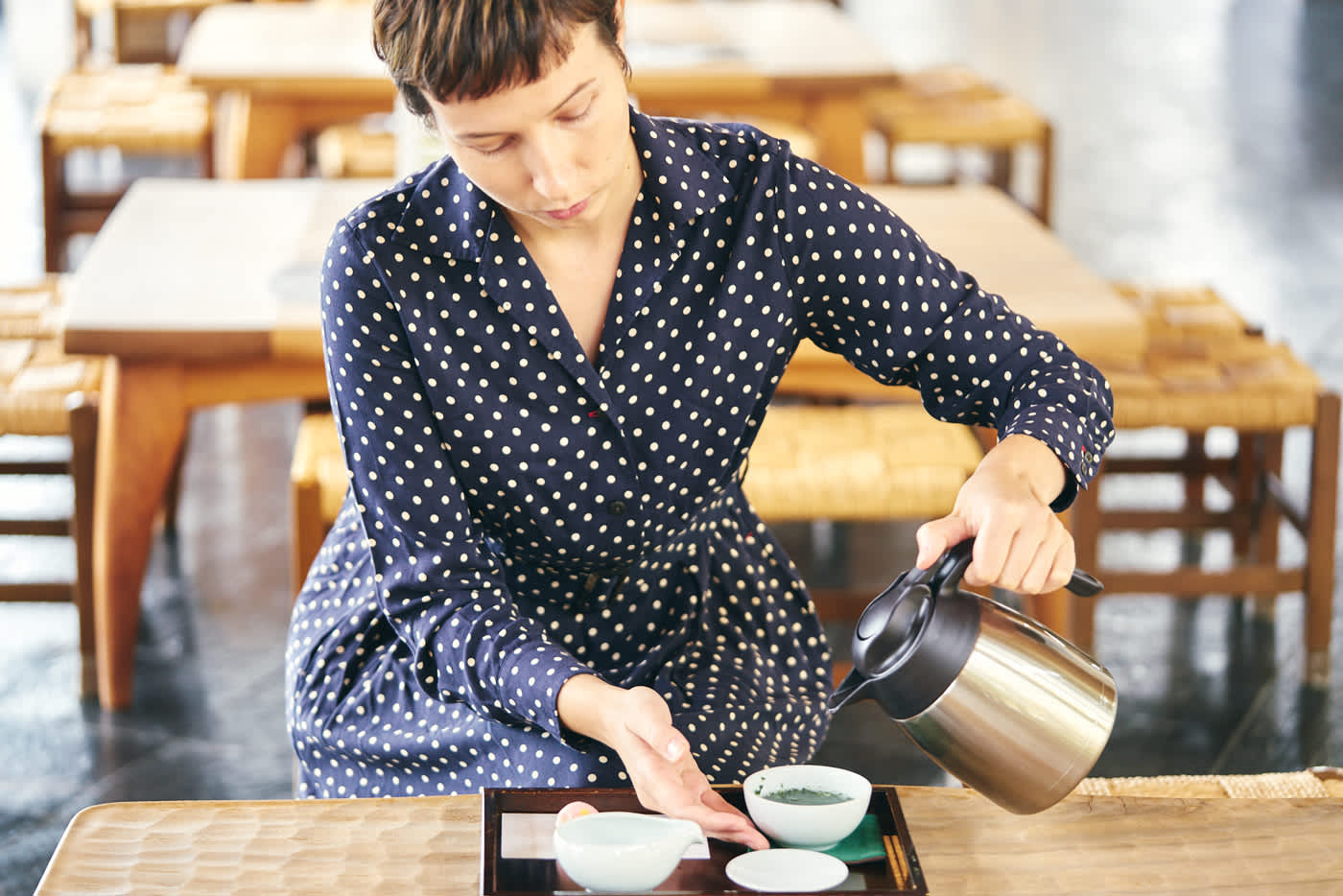
The care taken in the fields becomes apparent when the tea reaches the cup. Traditional Authentic Yame Gyokuro is brewed with water around 40–45°C and served in small amounts, with the same leaves infused several times. The first infusion can be especially rich in umami and sweetness, while later ones reveal a different balance of aroma and astringency. After the final infusion, the softened leaves are sometimes eaten—a way of enjoying gyokuro that is not common to all Japanese teas.
©JETRO/JFOODO
For visitors interested in discovering more about Yame tea, the Cha no Bunkakan (Hoshino-Tea Museum) in Hoshino Village offers a hands-on introduction to the region's tea culture. Located in an area with a long history of gyokuro production, the museum offers opportunities to taste and compare local teas, learn how to brew tea, grind matcha, and try traditional hand-rolling techniques.
©Fukuoka Prefecture Tourism Association
Beyond the cup, Yame's connection with tea can be seen across the landscape itself. At the Yame Central Grand Tea Plantation, around 70 hectares of tea fields stretch across gently rolling hills, revealing the impressive scale of one of the region's major tea-producing areas. From experiencing the subtle changes of each infusion to taking in the panoramic tea-covered hills, a visit to Yame brings the many layers of its tea culture into view.
Japanese Flavors That Lead to Regional Journeys
©Fukuoka Prefecture Tourism Association
Wasabi, Shinshu miso, and Yame gyokuro may offer very different tastes, but each reveals something about the place behind it. Following these flavors to their source brings you closer to the landscapes, traditions, and ways of life that shape them. A flavor encountered at the table can become a reason to discover another side of Japan.
These three ingredients are only a starting point. Across Japan, regional foods reflect local environments, traditions, and generations of knowledge about how to work with what each place provides. To discover more of the stories behind Japan's regional flavors, explore Taste of Japan.
Related Links:
Shizuoka Wasabi: Discovering the Wonders of the “Real Thing”
Miso and More: How Fermentation Made Nagano the Land of Longevity
Discovering the Delights of Yamecha with Per Oscar Brekell
Recommended For You
-
About the author
Author: Shem S.
Shem is an English copywriter, editor, and translator from the Philippines who enjoys bringing cultural and travel stories to international audiences. Curious about how people live, eat, create, and celebrate, she enjoys experiencing different cultures through their food, art, traditions, and everyday life. Her work gives her the perfect excuse to keep exploring and occasionally fall down a research rabbit hole along the way.